
Module 1- Introduction To Herbalism
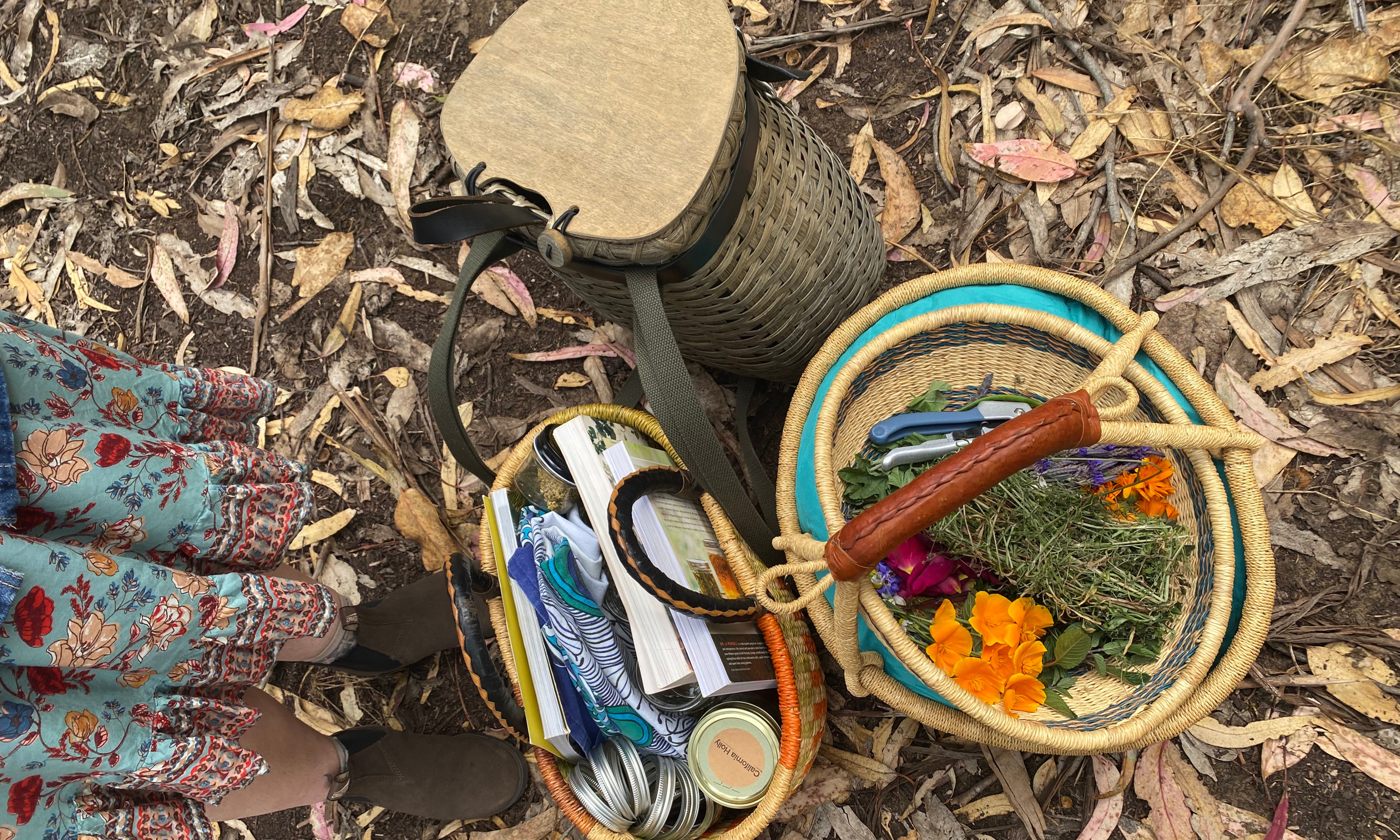
Tools For Success
As you dive into the world of herbology, I encourage you to keep a physical journal to document your exploration and discoveries. While it may not be a requirement, having a journal can be incredibly beneficial in your journey with plants. Writing things down and keeping notes of herbs and your findings creates a valuable resource that you can refer back to in the future. You can track the herbs you have worked with, their properties, how you used them, and the results you observed.
When wildcrafting, it's essential to have the right tools to ensure a successful and enjoyable experience. Plant shears are necessary for cleanly cutting stems and branches without damaging the plant. Gardening gloves will protect your hands from thorns, irritants, and other potential hazards while you're out foraging. A basket is handy for collecting your harvest and keeping your hands free. Remember, you don't need to break the bank to get these items; second-hand shops often have affordable options that work just as well as brand new ones.
This course requires access to a computer, laptop, or smartphone. Having a device allows you to easily access the course materials, watch instructional videos, and connect with instructor.
You will need is three identification books for herbs and a field guide written by experienced herbalists. These books should come from trusted sources who are passionate about herbs and have a deep understanding of the subject matter. Avoid sources that simply rehash old information or provide inaccurate details. Look for authors who are active in the herbal community and are known for their up-to-date and reliable information.
In our homework lessons, I'll be asking you to research and experiment with 5 herbs per body system. This hands-on approach will deepen your understanding of each herb's properties and how they can benefit various aspects of health. Whether you choose to wildcraft your herbs, buy them from local herbalists, or grow them yourself, remember that herbalism doesn't need to break the bank. Mother Nature provides all the medicine we need right in our backyards. You just have to know how to find it ! (and thats what I’m here for !)
Herb & Their Systems
The Integumentary System
Chamomile
Aloe Vera
Calendula
Lavender
Rosemary
The Skeletal System
Nettle
Lemon Grass
Dandelion
Red Clover
Ginger
The Muscular System
Milky Oats
Burdock Root
Comfrey
Tumeric
Cinnamon
The Nervous System
Lemon Balm
Passion Flower
Skullcap
Gingko
St. John's Wort
The Cardiovascular System
Hawthorn
Rose
Garlic
Cayenne
Milk Thistle
The Lymphatic System
Cleavers
Echinacea
Mullien
Goldenseal
Astragalus
The Respiratory System
Peppermint
Eucalyptus
Licorice
Plantain
Elderberry
The Digestive System
Fennel
Angelica
Marsh Mallow
Clove
Fenugreek
The Urinary System
Corn Silk
Golden Rod
Yarrow
Hops
Uva Ursi
The Endocrine System
Ashwaganda
Raspberry Leaf
Wild Yam
Holy Basil
Black Cohosh
The Reproductive System
Valerian
Cramp Bark
Maca
Asian Ginseng
Dong Quai
Ok that looks like a lot but thats only 55 herbs out of 30,000 herbs used medicinally! You will only be asked to share one with me each homework session.
It's fascinating to see how plant allies can work in harmony with our bodies in various ways. For example, while we may focus on discussing 5 herbs for a specific system in our homework, it's important to recognize that there are thousands of herbs that could also be beneficial and one herb can fit into multiple body system groups. The diversity and versatility of herbs allow them to support multiple parts of our bodies, showcasing the interconnectedness and holistic nature of herbal medicine.
Student Calls
As part of the course, each student has the opportunity to schedule up to seven 30-minute calls with me. These sessions are a great chance for you to dive deeper into the material covered in each of the seven extensive lessons. Whether you have questions about specific concepts, need clarification, or simply want to explore a topic further, I’m here to help.
To schedule a call, just send me an email, and I’ll provide you with a Zoom link for our conversation. While these calls are designed to enhance your learning experience, they are completely optional. You are encouraged to utilize them at your discretion; they are not mandatory. Think of them as a valuable resource to further your understanding of Herbology and to support your journey through the course.
Credit & Community Sharing
All materials provided in this course— including audios, videos, and worksheets—are the intellectual property of the instructor. These resources are the culmination of years of personal experience, research, and spiritual insights, designed to offer a comprehensive understanding of herbalism, a practice rooted in 50,000 years of tradition. While I encourage sharing knowledge and fostering community education, it is crucial that you do not distribute these materials or claim them as your own. Rather than copy and paste info from this course, practice with the plants and come up with your own-personal findings. If you reference any content from our lessons, please ensure to credit me and share your findings with me. I love to see my students tag me in photos and videos! Together, we can promote awareness and appreciation for this invaluable field of study.